
Flatwork That Holds Up Through Texas Heat
Concrete in Bulverde for driveways, patios, and slabs on properties with caliche subbase and sloped terrain
Caliche subbase and extreme South Texas summer heat crack concrete that isn't prepped and cured correctly. Johnson Ranch Landscape and Lawnscape installs driveways, driveway extensions, patios, walkways, slabs, and small retaining walls using standard and stamped concrete for residential and commercial clients across the Hill Country. Thirty years of concrete work in this region means understanding how caliche behaves under load and how to manage curing in conditions where air temperature regularly hits triple digits during pour season.
Subbase preparation determines whether concrete lasts decades or cracks within the first few years. Caliche hardens when compacted but shifts when moisture levels change, so proper excavation depth, compaction, and moisture barriers are critical before any concrete is poured. Drainage planning happens at the same time—sprinkler heads get relocated so irrigation doesn't wash out the subbase, and French drains are added when site conditions show that water will pool near the slab. Stamped concrete options are available for decorative driveways and patios, and all flatwork is coordinated with irrigation and drainage systems so nothing undermines the concrete after it cures.
Arrange an on-site consultation to evaluate subbase conditions and review drainage requirements before scheduling the pour.
What Proper Concrete Installation Requires in Hill Country Conditions
Drone mapping and Moser slope measurement tools provide pre-pour site data that shows where water runs, where the ground slopes, and what the subbase composition looks like. CompanyCam documentation captures every phase of the project—excavation, subbase prep, rebar placement, pour, and cure—so there's a visual record of what's under the surface. That documentation matters when you need to verify that the work was done right, not just fast.
After the concrete cures, you'll notice that the surface stays level, that water drains away instead of pooling near the edges, and that control joints are placed where they're supposed to be to manage thermal expansion. Driveways handle vehicle weight without cracking at the apron, and patio slabs don't settle unevenly because the subbase was compacted correctly. Small retaining walls are poured with drainage weep holes and backfill gravel so hydrostatic pressure doesn't crack the structure during heavy rain.
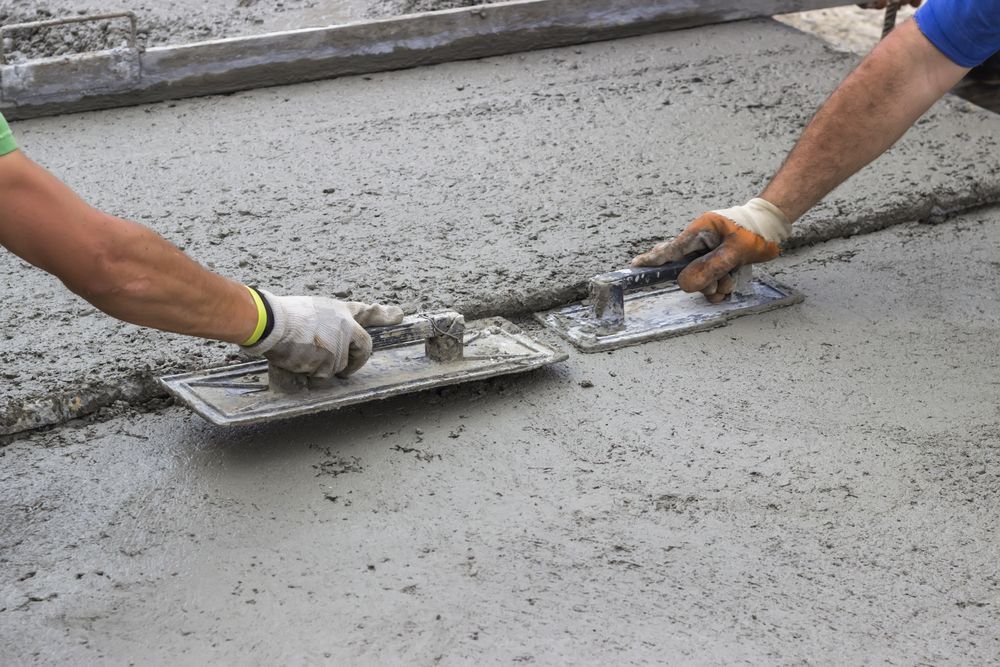
Stamped concrete requires longer cure times in extreme heat and more attention to surface moisture during the finishing process. Driveway extensions need to be tied into the existing slab correctly so the joint doesn't become a failure point, and sloped terrain installations require extra forming and grading work to keep the concrete level and stable. Projects on properties with significant elevation change take longer because the site prep is more involved.
Questions Property Owners Ask About Concrete Work
Concrete questions usually focus on how long it lasts, what affects the cost, and how Hill Country conditions change the installation process.
What subbase preparation is required before concrete is poured in Bulverde?
Excavation depth depends on soil type and expected load, then caliche subbase is compacted and moisture-tested to ensure it won't shift after the pour. Gravel or crushed limestone is added when the native soil isn't stable enough to support the slab directly.
How does extreme summer heat affect concrete curing in South Texas?
High temperatures cause concrete to cure too quickly, which leads to surface cracking and reduced strength. Proper curing requires keeping the surface moist for several days after the pour and sometimes using curing blankets or compounds to slow the process.
Why is drainage planning part of concrete installation?
Water that pools under or near a slab will wash out the subbase over time, causing the concrete to crack and settle. French drains, sprinkler head relocation, and site grading corrections prevent that damage by managing where water goes before it becomes a problem.
What's included in a stamped concrete installation compared to standard flatwork?
Stamped concrete adds pattern and color options but requires additional finishing labor, longer cure times, and periodic sealing to maintain the surface appearance. The subbase prep and structural requirements are the same as standard concrete.
How long should I expect a properly installed driveway or patio to last?
Concrete installed with correct subbase prep, adequate thickness, proper reinforcement, and integrated drainage typically lasts 20 to 30 years or more in Hill Country conditions. Shortcuts in any of those areas show up as cracks, settling, or surface spalling within a few years.
Johnson Ranch Landscape and Lawnscape has a 4.9-star Google rating built on three decades of concrete work across the Hill Country and San Antonio area—flatwork installed for homeowners and commercial clients who need driveways, patios, and slabs that hold up through flash flood season and summer heat. Request a detailed estimate based on your site conditions and project scope.