
Selective Clearing That Protects Native Oak Canopy
Land Clearing in Bulverde for properties managing cedar encroachment, invasive brush, and pre-construction site prep
Cedar encroachment and invasive brush spread aggressively across Hill Country properties when left unchecked. Johnson Ranch Landscape and Lawnscape provides selective brush, cedar, and invasive species clearing for residential lots, ranch land, and pre-construction properties across the Hill Country. The process starts with walking the property with the client to mark trees to keep before any equipment rolls in—native oak canopy is preserved wherever possible, and clearing is done selectively instead of stripping everything in sight. Thirty years in the Hill Country means understanding how cedar root systems behave, how native oak responds to clearing around it, and what methods work for different lot types and client goals.
Cedar depletes the water table and crowds out native vegetation, which is why it's targeted for removal on most properties. Smaller cedar trees are ground at the root to prevent regrowth, while larger trees are cut near-grade on construction lots where grading and machinery will follow. Invasive brush is cleared based on what's taking over the property and what native plants need room to recover. The goal is to open up the land without destroying the oak canopy that provides shade, property value, and wildlife habitat.
Arrange a property walk-through to identify which trees to preserve and which areas need clearing before equipment is scheduled.
What Selective Land Clearing Actually Involves
Every land clearing project starts with a site assessment that identifies native oak, cedar, invasive brush, and any trees the client wants to protect. Drone capability provides aerial perspective on cedar density and canopy coverage, which helps plan clearing zones and access routes for equipment. Trees marked for preservation are flagged before clearing begins, and work proceeds in phases so adjustments can be made if conditions change or additional trees need to be saved.
After clearing is complete, you'll notice that native oak canopy is intact and healthy, that cedar no longer dominates the understory, and that sight lines and usable space have opened up without turning the property into a barren lot. Cedar root grinding prevents regrowth on smaller trees, while larger cedar and invasive brush are removed at grade or stump-height depending on whether the lot is being prepped for construction or managed for long-term ranch use. Properties cleared selectively maintain their Hill Country character instead of looking stripped and industrial.
Ranch land clearing involves different considerations than residential lot clearing—livestock management, wildlife habitat, and long-term vegetation control all affect which trees are removed and which are left standing. Pre-construction clearing is coordinated with grading and drainage plans so the site is ready for building without unnecessary tree loss. Cedar root systems are invasive and resilient, so removal methods vary depending on tree size, site access, and what's happening on the property after clearing is finished.
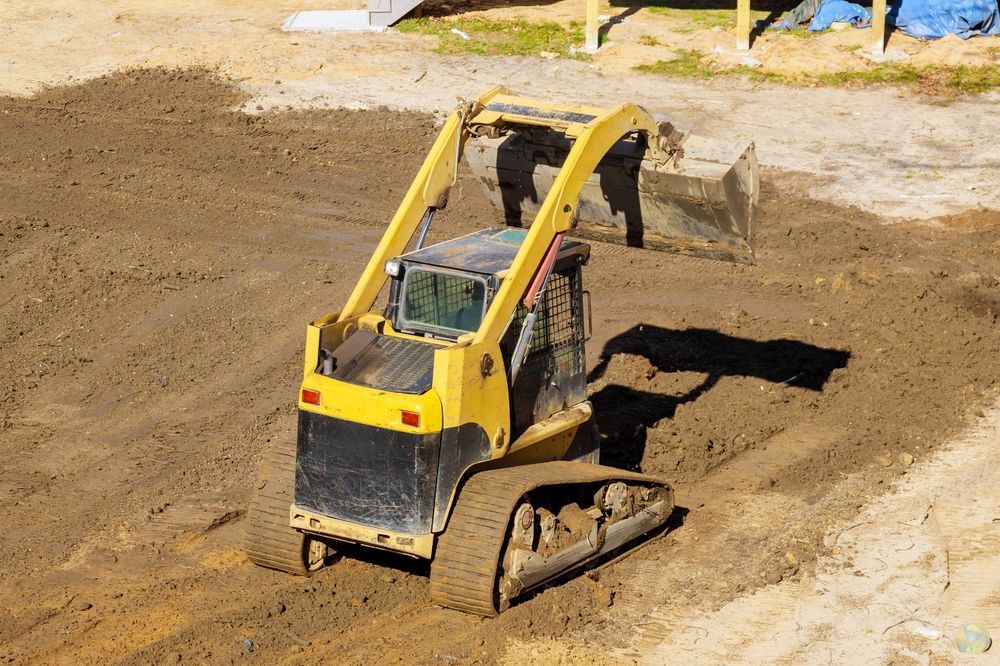
Questions About Land Clearing in Hill Country Conditions
Most land clearing questions focus on how selective clearing works, what happens to cedar and invasive brush, and how native oak is protected during the process.
Why is cedar targeted for removal on Hill Country properties?
Cedar spreads aggressively, depletes groundwater, and crowds out native grasses and oak regeneration. Removing cedar opens up the land, reduces water consumption, and allows native vegetation to recover.
How is native oak canopy preserved during selective land clearing in Bulverde?
Trees marked for preservation are flagged before clearing begins, and equipment operators work around those trees to avoid root damage and canopy loss. Clearing is done in phases so adjustments can be made if additional trees need protection.
What's the difference between root grinding and cutting cedar near-grade?
Root grinding removes the entire root system on smaller cedar trees to prevent regrowth, while cutting near-grade leaves the stump and roots in place, which works for construction lots where grading will remove what's left. The method depends on site plans and long-term vegetation management goals.
How does land clearing on ranch land differ from residential lot clearing?
Ranch clearing considers livestock movement, wildlife habitat, fire breaks, and long-term brush management, while residential lot clearing focuses on usable space, aesthetics, and sight lines. Both approaches preserve native oak and target cedar, but the scale and long-term goals differ.
What happens to the cleared brush and cedar after removal?
Material is typically mulched, hauled off-site, or left in designated brush piles depending on client preference and site conditions. Pre-construction lots usually require complete removal, while ranch land may use mulched material for erosion control or habitat improvement.
Johnson Ranch Landscape and Lawnscape has 30 years of Hill Country land clearing experience—selective clearing for residential, ranch, and pre-construction clients who want cedar and invasive brush removed without losing the native oak that makes Hill Country properties valuable. Request a site assessment to review your property's clearing needs and tree preservation goals.