
Patios and Walkways Built for Hill Country Conditions
Hardscape in Bulverde for properties dealing with caliche soil, extreme heat, and seasonal freeze-thaw expansion
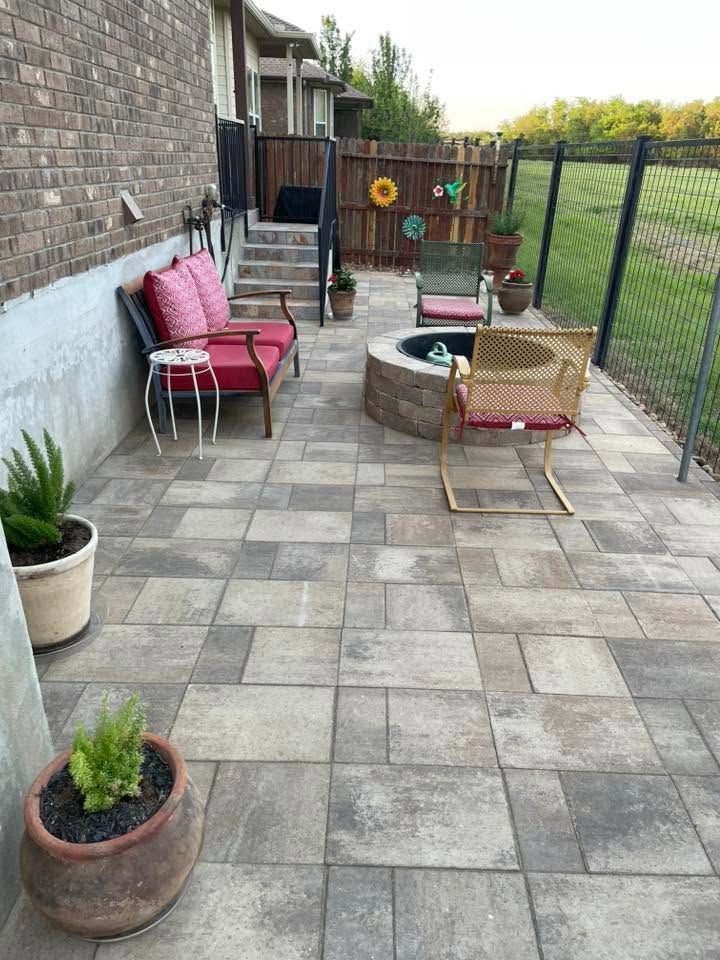
Johnson Ranch Landscape and Lawnscape designs and installs patios, walkways, flagstone surfaces, concrete slabs, river rock installations, and xeriscape hardscape for residential and commercial properties across the Hill Country. The same crew that designs your hardscape is the crew that builds it—no subcontractor handoffs, no miscommunication between plan and execution. That continuity matters when you're working with caliche soil and limestone bedrock that shift differently than the clay or sand most contractors are used to.
Hill Country hardscape fails when contractors treat the subbase like it's stable. Caliche hardens in summer heat but expands during freeze-thaw cycles, and limestone holds water in ways that cause cracking and settling if the prep work isn't done right. Proper installation means accounting for how the soil behaves across seasons, integrating drainage from the start, and building surfaces that won't crack or shift within a few years. Every hardscape project includes drainage planning—French drains are installed as part of the scope when site conditions require it, and sprinkler heads are relocated so irrigation doesn't undermine the flatwork.
Schedule a property evaluation to review site drainage and soil conditions before design begins.
How Hardscape Gets Built to Last in South Texas
Before any material is ordered or any excavation starts, drone photogrammetry maps the property and a Moser slope measurement tool provides precise grading data. That combination shows where water runs, where the ground shifts, and what the subbase will do under load. Flagstone, stamped concrete, river rock, and xeriscape options are all selected based on how they'll perform in your specific lot conditions—not just how they look in a catalog.
Once the hardscape is finished, you'll notice that water moves away from the structure instead of pooling near the foundation, that the surface stays level through seasonal soil expansion, and that walkways don't crack at the joints the way improperly prepped flatwork does. CompanyCam photo documentation tracks the project from excavation through final grading so there's a visual record of what's under the surface. Johnson Ranch Landscape and Lawnscape has spent 30 years learning how caliche behaves under patios and walkways—that's not something you pick up from a weekend certification course.
Design-build projects take longer in the planning phase because drainage integration, sprinkler relocation, and grading corrections are addressed before the crew shows up with materials. Stamped concrete requires different curing protocols in extreme summer heat than it does in moderate climates, and flagstone installations need different joint spacing when the subbase is caliche instead of compacted sand. The process accounts for those differences instead of applying a template approach to every property.
What Homeowners Ask Before Starting a Hardscape Project
Most questions about hardscape come down to how it's built, how long it lasts, and what happens when the Hill Country throws extreme weather at it.
What prep work happens before the hardscape material goes down?
Excavation depth is determined by soil type and expected load, then the subbase is compacted and graded to ensure water drains away from structures. Drainage lines and sprinkler relocations are completed during this phase so nothing undermines the flatwork later.
How does caliche soil affect patio and walkway installations in Bulverde?
Caliche hardens when dry but expands during freeze-thaw cycles, which causes cracking and settling if the base isn't prepared correctly. Proper installations account for that movement by using deeper excavation, better compaction, and integrated drainage to manage moisture.
What's the difference between flagstone and stamped concrete for a Hill Country patio?
Flagstone allows for natural drainage between joints and handles soil movement without cracking, while stamped concrete requires control joints and proper curing to prevent surface cracks in high heat. Both work well when installed correctly, but the choice depends on your site's slope, drainage needs, and aesthetic goals.
How long does a properly installed hardscape installation last in South Texas heat?
When subbase prep, drainage integration, and material selection are done right, hardscape installations last decades without major cracking or settling. Shortcuts in any of those areas typically show up within two to three years as surface cracks, uneven sections, or standing water.
Why does hardscape cost more when drainage is included in the scope?
Integrating French drains, relocating sprinkler heads, and correcting site grading add labor and materials to the project, but they prevent the water damage that destroys hardscape from below. Treating drainage as an afterthought means tearing up the patio later to fix problems that should have been addressed during installation.
Johnson Ranch Landscape and Lawnscape has a 4.9-star Google rating built on 30 years of Hill Country hardscape work—patios, walkways, and outdoor living spaces designed for clients who want craftsmanship that holds up through flash floods, summer heat, and freeze-thaw cycles. Request a site assessment to review your property's drainage and soil conditions before finalizing your hardscape design.