
Fencing and Walls Built for Sloped Terrain
Walls and Fencing in Bulverde for properties with rocky Hill Country lots, elevation changes, and erosion concerns
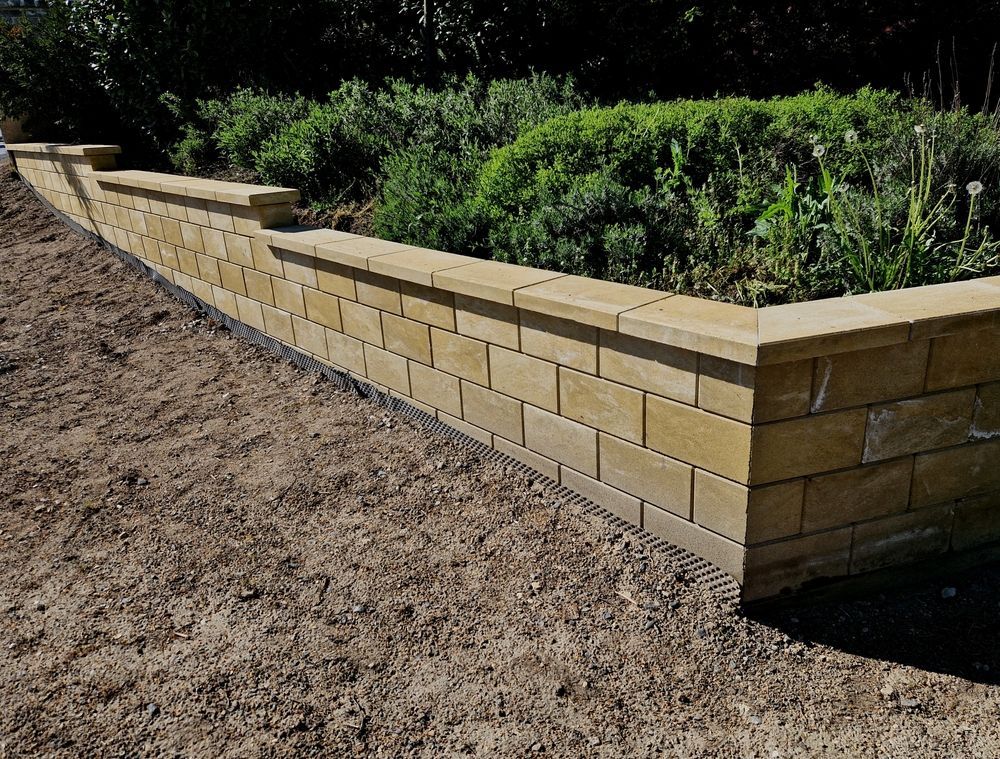
Rocky Hill Country terrain and sloped lots require fencing and retaining walls engineered for more than aesthetics. Johnson Ranch Landscape and Lawnscape installs six-foot and eight-foot wood privacy picket fencing, six-foot aluminum fencing, and retaining walls for residential and estate properties across the Hill Country. Retaining walls aren't installed as isolated structures—they're coordinated with drainage planning so runoff is managed and slope stability is maintained over the long term.
Fencing on sloped terrain requires different post depth, bracing, and panel layout than fencing on flat ground. Cedar-oak terrain and limestone bedrock mean that post holes sometimes hit solid rock before reaching proper depth, which requires different anchoring methods. Retaining walls manage both the visible slope and the water that runs behind them—without drainage design, hydrostatic pressure builds up and cracks the wall within a few seasons. Every retaining wall project includes backfill gravel, weep holes, and tie-ins to the site's overall drainage system.
Schedule a property evaluation to assess slope, drainage, and terrain conditions before finalizing fence or wall design.
What Separates Durable Walls and Fencing From Template Installs
Post placement on sloped lots is determined by elevation change, soil composition, and where the fence line crosses drainage paths. Wood picket privacy fencing uses deeper post embedment and concrete anchoring when installed on properties with significant grade variation, and aluminum fencing is selected for areas where rust resistance and low maintenance matter more than complete visual privacy. Retaining walls are built with proper footing depth, drainage integration, and backfill material so they don't shift or crack when the ground saturates during heavy rain.
After installation, fencing stays plumb and level across elevation changes instead of following the slope awkwardly, and retaining walls manage runoff without showing signs of hydrostatic pressure damage. Gates swing freely without sagging because hinges are mounted to posts that won't shift, and wood fencing is built with materials selected for South Texas humidity and temperature swings. Aluminum options are available for clients who want perimeter structures that won't rot, warp, or require staining every few years.
Ranch and estate properties often require longer fence runs and more complex wall designs because of terrain variation and the need to manage livestock, wildlife, or property access. Six-foot and eight-foot privacy options provide screening for residential clients, while retaining walls on multi-tier lots require engineering to ensure each level is stable and tied into the drainage system correctly. Projects on properties with cedar and oak canopy take longer because the fence line has to work around root systems and preserve trees wherever possible.
Answers to Frequent Fencing and Wall Questions
Most questions focus on how fencing and walls are installed on sloped or rocky terrain and what affects durability in Hill Country conditions.
How is fencing installed on sloped Hill Country lots without following the terrain awkwardly?
Fence panels are stepped or racked depending on the grade, and posts are set at different depths to keep the top rail level while following the slope. That approach prevents the sagging or uneven appearance that happens when fencing is installed without accounting for elevation change.
What makes retaining walls stable on properties with rocky soil and seasonal runoff?
Proper footing depth, backfill gravel, drainage weep holes, and tie-ins to the site's drainage system prevent hydrostatic pressure from building up behind the wall. Without those elements, water pressure cracks the structure during heavy rain events.
Why does fencing and wall installation take longer on cedar-oak terrain?
Post holes sometimes hit limestone bedrock or large root systems before reaching proper depth, which requires different anchoring methods or adjustments to the fence line. Retaining walls on sloped lots require more excavation and forming work than walls on flat ground.
What's the difference between wood picket and aluminum fencing for Hill Country properties?
Wood provides complete privacy and a traditional look but requires periodic staining and is vulnerable to rot in areas with poor drainage. Aluminum resists rust, requires minimal maintenance, and works well for perimeter fencing where visibility isn't a concern.
How are retaining walls coordinated with drainage planning in Bulverde?
Every retaining wall project includes backfill gravel and weep holes to allow water to pass through, and the wall is positioned to work with existing or planned French drains so runoff doesn't undermine the structure. Walls are part of the site's overall water management system, not standalone features.
Johnson Ranch Landscape and Lawnscape has 30 years of Hill Country and San Antonio-area fencing and retaining wall experience—structures built for ranch, residential, and estate clients who need installations that handle terrain, not just meet code. Arrange a site consultation to review your property's slope, drainage, and fencing requirements.